
Top Punjabi Wedding Traditions You Should Know
Top Punjabi Wedding Traditions You Should Know: A Complete Guide to Punjabi Wedding Customs
Punjabi weddings are famous around the world for their vibrant celebrations, delicious food, energetic music, and beautiful traditions. A Punjabi wedding is not just a ceremony; it is a grand celebration where families, friends, and communities come together to create unforgettable memories.
From colourful pre-wedding rituals to emotional farewell moments, every tradition has a meaning behind it. The laughter, dancing, and endless celebrations make Punjabi weddings one of the most exciting wedding cultures in India.
Whether you are attending a Punjabi wedding for the first time or planning your own special day, understanding these traditions will help you enjoy every moment even more.
Why Are Punjabi Weddings So Special?
Punjabi weddings represent happiness, family bonding, and cultural values. These weddings usually involve multiple events spread across several days, giving both families enough time to celebrate and connect.
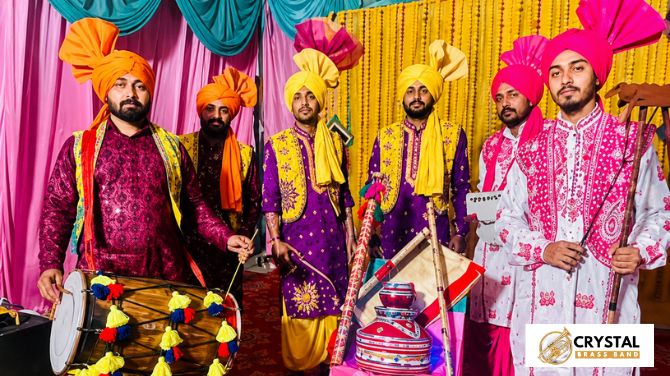
One thing that makes Punjabi weddings unique is the perfect balance between emotions and entertainment. One moment you may see family members performing energetic bhangra, and the next moment you may witness a heartfelt ritual filled with emotions.
Punjabi culture believes that weddings are not only about two individuals but also about bringing two families together.
Top Punjabi Wedding Traditions and Rituals
1. Roka Ceremony: The Beginning of a New Relationship
The Roka ceremony is often considered the first official step toward marriage. During this ritual, both families meet and give their blessings to the couple.
The families exchange gifts, sweets, and sometimes traditional items as a symbol of acceptance and happiness. It is usually an intimate celebration where close relatives come together.
The word “Roka” means stopping, which represents that the couple is now committed to each other and the search for another match has ended.
2. Chunni Ceremony: A Special Blessing for the Bride
The Chunni ceremony is an important Punjabi wedding tradition where the groom’s family presents a decorated red or pink scarf (chunni) to the bride.
The groom’s family also gives jewellery, sweets, and gifts as a gesture of love and respect. The bride wears the chunni as a symbol of acceptance into her new family.
This ceremony beautifully represents the connection between both families before the wedding day.
3. Mehendi Ceremony: Colours of Love and Celebration
No Punjabi wedding feels complete without the Mehendi ceremony. During this event, the bride’s hands and feet are decorated with beautiful henna designs.
Friends and family members join the celebration with music, dance, and traditional songs. Many families also organize games and performances to make the evening more memorable.
Traditionally, mehendi represents happiness, love, and good fortune for the bride’s married life.
A fun belief in many Indian cultures says that darker mehendi colour means deeper love from the husband. Whether people believe it or not, everyone enjoys comparing mehendi designs after the ceremony.
4. Sangeet Night: Music, Dance, and Unlimited Fun
The Sangeet ceremony is one of the most entertaining parts of a Punjabi wedding. It is a night dedicated to music, dance performances, and celebration.
Family members prepare dance performances weeks before the event. From traditional Punjabi songs to modern Bollywood tracks, the dance floor becomes the centre of attraction.
Sangeet is not only about entertainment; it also helps both families spend quality time together before the wedding.
5. Haldi Ceremony: A Ritual Full of Happiness
The Haldi ceremony is a traditional ritual where family members apply turmeric paste to the bride and groom.
Turmeric has been used in Indian traditions for generations because of its cultural importance and natural properties. The ceremony is considered a blessing for prosperity, happiness, and a positive beginning.
The playful atmosphere during Haldi makes it one of the most enjoyable wedding functions. Family members often turn this simple ritual into a fun celebration filled with laughter.
Family members prepare dance performances weeks before the event. From traditional Punjabi songs to modern Bollywood tracks, the dance floor becomes the centre of attraction.
Sangeet is not only about entertainment; it also helps both families spend quality time together before the wedding.
6. Ghara Ghardi and Traditional Preparations
Before the wedding day, Punjabi families follow several customs to prepare the bride and groom for their new journey.
In many Punjabi communities, family members perform traditional rituals to seek blessings from elders and celebrate the upcoming marriage.
These customs may differ between families and regions, but the main purpose remains the same: wishing happiness and success for the couple.
7. Sehra Bandi: Groom’s Wedding Preparation
Sehra Bandi is an emotional moment before the groom leaves for the wedding ceremony.
During this ritual, the groom wears a sehra (a traditional head decoration), usually tied by family members. Elders give blessings and prayers for his married life.
It is a special moment because it marks the groom’s transition into a new phase of life.
8. Baraat: The Grand Arrival of the Groom
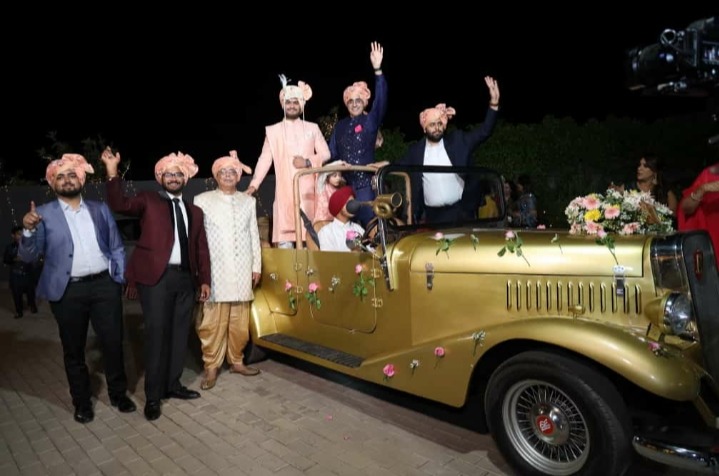
The Baraat is one of the most famous Punjabi wedding traditions. It is the grand procession where the groom arrives at the wedding venue with family and friends.
With loud dhol beats, dancing, and celebrations, the atmosphere becomes full of energy.
The groom often arrives on a decorated horse or a luxury vehicle, while guests dance around him. In Punjabi weddings, sitting quietly during the baraat is almost impossible — the dhol usually convinces everyone to join the celebration.
9. Milni Ceremony: Welcoming Both Families
The Milni ceremony takes place when the groom’s family reaches the wedding venue.
During this ritual, relatives from both sides meet and exchange greetings. Male members from both families often perform the traditional Milni by meeting each other with garlands.
This ceremony represents equality, respect, and friendship between the two families.
10. Anand Karaj: The Sacred Sikh Wedding Ceremony
For Sikh Punjabi weddings, Anand Karaj is the main wedding ceremony performed in a Gurudwara.
The term Anand Karaj means “joyful union.” During this ceremony, the couple circles around the Guru Granth Sahib four times while listening to sacred hymns called Laavan.
The ceremony focuses on spiritual connection, mutual respect, and commitment between husband and wife.
According to Sikh tradition, Anand Karaj was introduced by Sikh Guru Amar Das Ji and later developed into the present form by Guru Ram Das Ji.
11. Punjabi Wedding Food: A Celebration on Its Own
Punjabi weddings are incomplete without delicious food. The wedding menu often includes traditional dishes that represent Punjabi hospitality.
Popular Punjabi wedding dishes may include:
- Chole bhature
- Paneer dishes
- Dal makhani
- Naan and other breads
- Tandoori items
- Traditional sweets like jalebi and gulab jamun
Food plays an important role because Punjabis believe in welcoming guests with warmth and generosity.
A Punjabi wedding buffet often becomes an event itself — many guests remember the food almost as much as the dance performances.
12. Vidaai: The Emotional Farewell
Vidaai is one of the most emotional moments of a Punjabi wedding. It marks the bride leaving her parental home and beginning a new chapter with her husband.
Family members often become emotional during this farewell because it represents a major life change.
Although the moment is filled with tears, it also carries hope, blessings, and happiness for the bride’s future.
How Punjabi Wedding Traditions Are Changing Today
Modern Punjabi weddings beautifully combine traditional customs with new ideas. Many couples now include personalised themes, destination weddings, modern décor, and creative photography while keeping important rituals alive.
Technology has also changed wedding celebrations. Live streaming allows relatives from different countries to participate, and digital invitations have become common.
However, the heart of Punjabi weddings remains unchanged — family, emotions, traditions, and celebration.
Why Understanding Punjabi Wedding Traditions Matters
Knowing these traditions helps guests participate respectfully and enjoy the celebration better. Every ritual has a cultural meaning, and understanding that meaning makes the wedding experience more memorable.
Punjabi weddings are not only about luxury decorations or big celebrations. They are about relationships, blessings, and creating lifelong memories.
Final Thoughts
Punjabi wedding traditions beautifully showcase the richness of Punjabi culture. From the energetic Baraat and colourful Mehendi to the spiritual Anand Karaj and emotional Vidaai, every ceremony tells a story.
These traditions have continued for generations because they bring people together and celebrate one of life’s most important moments.
A Punjabi wedding is truly a celebration where culture meets happiness, and every song, ritual, and smile becomes a memory to cherish forever.
Frequently Asked Questions
What are the most popular Punjabi wedding traditions?
Some popular Punjabi wedding traditions include Roka, Mehendi, Sangeet, Haldi, Sehra Bandi, Baraat, Milni, Anand Karaj, and Vidaai.
How long does a Punjabi wedding usually last?
Traditional Punjabi weddings can include several events spread across multiple days. However, the duration depends on family preferences and wedding planning choices.
What happens during Anand Karaj?
Anand Karaj is the Sikh wedding ceremony where the couple completes four rounds around the Guru Granth Sahib while listening to the Laavan hymns.
Why is Punjabi wedding food so famous?
Punjabi wedding food is known for rich flavours, variety, and generous hospitality, which reflects the welcoming nature of Punjabi culture.